
LEYTE, Philippines — A people’s cooperative in Leyte is offering loans to members who want to install solar power systems after its president read a report highlighting rising electricity costs and the potential for low-cost solar to help households and small businesses cut their power bills.
The Hindang People’s Multipurpose Cooperative launched the solar financing initiative after its president, Fernando Palilio, read a report on the Cebu Electricity Rights Advocates’ call for a “solar micro-shift” using affordable solar devices to reduce dependence on grid power.
“I read the story and started thinking, if small solar devices can help families reduce their electricity expenses, why can’t our cooperative help members finance a bigger solar investment?” Palilio said.
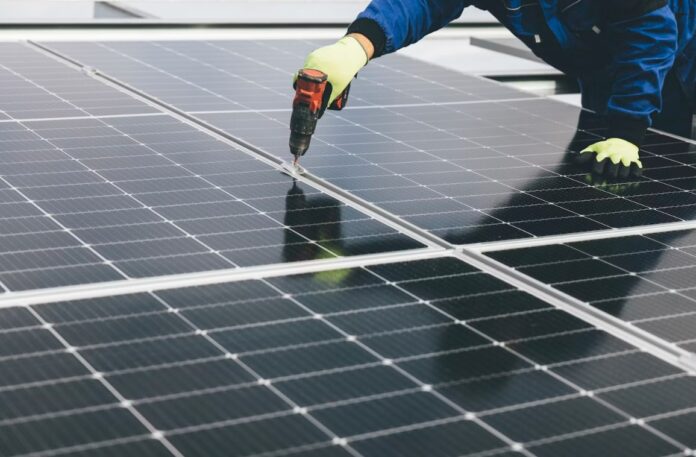
The cooperative is offering solar loans to qualified members to help finance solar panels and related equipment, allowing borrowers to spread the cost over time rather than pay the full amount upfront.
“Many families are interested in solar, but the upfront cost makes them hesitate,” Palilio said. “A loan changes the equation. They can invest gradually while starting to benefit from the electricity generated by the system.”
The initiative could also help small businesses such as sari-sari stores and other micro-enterprises reduce operating costs, particularly for lighting, fans and other electrical equipment.
“Small businesses operate on very thin margins,” Palilio said. “If they can reduce one of their regular expenses, that money can instead go toward inventory, workers or the family’s other needs.”
Palilio said members should assess their electricity consumption and repayment capacity before taking out a loan.
“We don’t want people to borrow simply because solar is popular,” he said. “We want them to understand the investment, the expected savings and the monthly repayment.”
The cooperative’s move demonstrates how community-based lenders can help make renewable energy more accessible to households that may not be able to afford a solar system upfront.
“We cannot solve the country’s energy problem through small solar systems alone,” Palilio said. “But we can help individual families take one practical step toward controlling their electricity costs.”

