Home Blog Page 3

dotTV to debut on Cignal Channel 107, expanding broadcast reach nationwide

0
dotTV

Digital media platform dotTV is set to launch on Cignal Channel 107 after finalizing its channel allocation with Cignal TV Inc., marking its entry into nationwide pay television and a broader push to scale its audience reach.

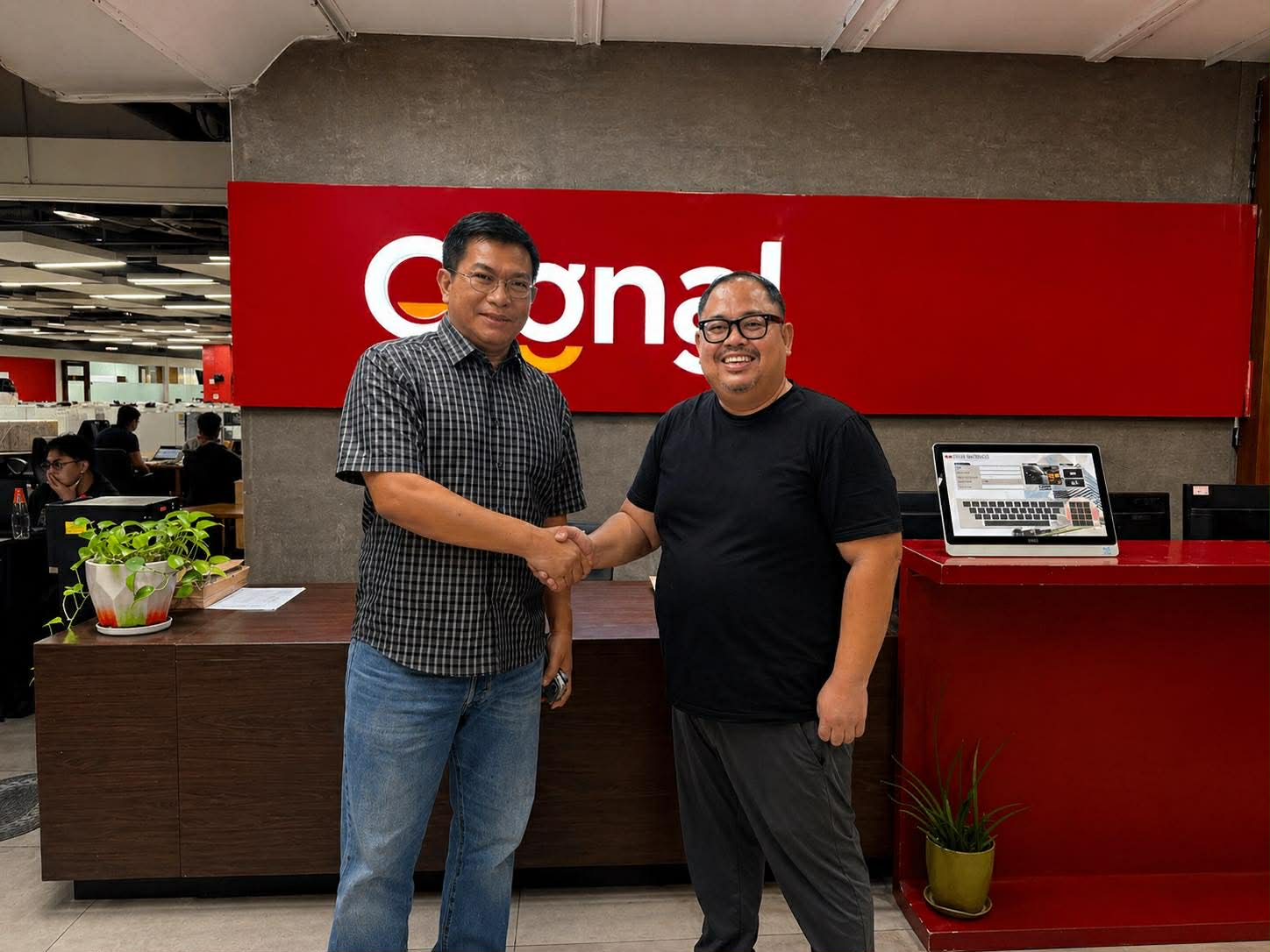
The agreement, formalized between dotTV chief executive Juniño Padilla and Cignal’s Vice President and Head of Industry Relations and Regulatory Affairs Erwin Galang, secures Channel 107 as dotTV’s official broadcast slot on the platform.

The move allows dotTV to extend its distribution beyond digital platforms and tap into Cignal’s subscriber base, which spans millions of households across the Philippines, including key regional markets such as the Visayas and Mindanao.

Padilla said the partnership represents a significant step in strengthening dotTV’s multi-platform presence, as media companies increasingly adopt hybrid models combining online content with traditional broadcast.

“With Channel 107, we are expanding access to our content and reaching audiences who continue to rely on television as a primary source of news and entertainment,” he said.

The expansion comes at a time when regional audiences, including those in Cebu and across the Visayas, remain strong consumers of free-to-air and pay TV content, even as digital adoption continues to rise.

Industry players note that integrating digital-first platforms into established broadcast networks can accelerate growth, particularly in regions where connectivity gaps still limit purely online consumption.

Cignal, meanwhile, has been expanding its channel lineup and content partnerships as part of efforts to strengthen its position in the competitive pay TV and digital video market.

dotTV said its programming will include a mix of news, commentary, and entertainment content designed to appeal to a broad Filipino audience, though it has yet to release a full programming schedule.

The company has not disclosed the exact launch date but said preparations are underway for its official debut on Channel 107.

The partnership highlights how emerging media platforms are leveraging traditional distribution channels to complement digital strategies, as the Philippine media landscape continues to evolve.

Cebu Business News

Energy players flag supply gap, investment risks in Visayas power sector

0
Photo: Cebu Business News

Power industry leaders warned that rising electricity demand in the Visayas is outpacing the pace of new capacity additions, raising concerns over energy security, investment risks, and infrastructure gaps in the coming years.

The issue took center stage at PowerForward Visayas 2026, an energy forum organized by The Freeman and Banat News, and co-presented with Aboitiz Power, where stakeholders outlined key challenges and opportunities for the region’s power sector.

“I think the biggest challenge really is keeping pace with the power demand,” said Rhea Navarro, regional chief operating officer of Aboitiz Power. She noted that electricity demand in the Visayas is growing by about 150 megawatts annually, equivalent to one power plant each year.

However, bringing new capacity online typically takes around three years, creating what she described as “an imbalance” between supply and demand as the regional economy expands.

Despite these pressures, the Visayas is ahead of national renewable energy targets, with about 45% of its power mix coming from renewables, according to panelists. But sustaining this momentum while ensuring reliable and affordable supply remains a challenge.

Jay Joel Soriano, vice president and head of strategy and planning at First Gen, said addressing the issue requires a broader systems approach.

“It’s not just one single thing. It’s really a systems view,” he said, pointing to the need to balance supply expansion, grid modernization, and growing consumer participation as more businesses gain the ability to choose power suppliers.

From an investor perspective, regulatory stability remains a key concern.

“When I’m putting forward proposals to my board… the question has been asked: what’s the country risk? What is the regulatory risk?” said Bernd Krukenberg, president and CEO of Shell Energy Philippines. “You take a decision, and then you have a time horizon — 15 years, 20 years.”

He said consistent policy signals are critical to attracting long-term investments in the sector, particularly as the Philippines navigates global uncertainties and evolving energy policies.

Government officials said reforms are underway to improve the investment climate, including allowing 100% foreign ownership in renewable energy projects and streamlining approval processes.

Still, developers flagged persistent bottlenecks such as right-of-way issues, permitting delays, and limited transmission capacity across islands, which restrict the efficient distribution of power.

“That’s really a signal that we cannot export renewable energy out of Leyte. And that’s a shame,” Soriano said, referring to curtailment issues despite growing solar capacity.

Rising construction costs are adding further pressure, particularly for renewable projects in remote areas that require additional infrastructure.

“It’s not just putting up a power plant,” Soriano said, noting the need to build roads and other facilities alongside generation assets.

Navarro said the region must carefully balance the shift to cleaner energy with the need for reliability and affordability.

“We have to be pragmatic… we still need baseload, reliable baseload,” she said, emphasizing its role in supporting economic growth.

She added that policymakers and industry must address the “energy trilemma” of security, sustainability, and affordability, particularly in a country where a significant portion of the population remains price-sensitive.

Stakeholders said stronger coordination across agencies, continued grid investments, and demand-side solutions such as energy efficiency and rooftop solar will be critical to ensuring a stable and sustainable power supply for the Visayas.

Cebu Business News

Metrobank launches Moneygurado docuseries on financial mindfulness

0
Metrobank Moneygurado

Metropolitan Bank & Trust Co. has launched Moneygurado, a financial literacy campaign and docuseries aimed at helping Filipinos make more deliberate decisions on spending, saving, borrowing and fraud prevention.

The campaign, whose name blends “money” and “sigurado,” is built around real-life Filipino stories and cultural values that shape financial behavior, the bank said.

Metrobank said the initiative comes as households face pressure from rising fuel prices, higher cost of goods and shifting economic conditions, underscoring the need for more intentional money habits.

“Moneygurado is about helping Filipinos become more intentional with their money by understanding the ‘why’ behind their decisions,” said Metrobank Chief Marketing Officer Digs Dimagiba. “By starting with real stories that reflect everyday realities, we make these conversations more relatable—and ultimately more actionable.”

The Moneygurado docuseries examines how values such as katatagan, hiya, pakikisama and utang na loob influence the way Filipinos save, spend, borrow and give.

Its premiere episode, “Kapit Lang: The Filipino Way of Surviving,” features Audrey Cruz, founder of OnlyPans Taqueria in Poblacion, Makati. The episode traces how the business, which began as a pandemic food delivery concept, grew before a fire forced it to start over.

Metrobank said the episode highlights resilience while stressing that financial preparedness must be built before a crisis.

Upcoming episodes will feature director Jose Javier Reyes, historian Xiao Chua and author Michelline Suarez, covering themes such as borrowing, shame, self-worth and saving.

The bank added that the docuseries will soon be shown in schools and communities across the Philippines as part of its broader financial literacy push.

Metrobank said it will also roll out learning materials for students, families and communities through its Earnest website in the coming months.

Cebu Business News

Mizu reopens at Waterfront Cebu, bets on authentic Japanese dining amid tourism rebound

0

Mizu, one of Cebu’s long-running Japanese restaurants, is set to reopen on April 28 at Waterfront Cebu City Hotel and Casino, as the property strengthens its food and beverage offerings amid a steady recovery in tourism and local dining demand.

The restaurant’s relaunch underscores a renewed focus on authentic Japanese cuisine, featuring a menu anchored on traditional techniques and fresh ingredients, including sushi, sashimi, and a range of hot dishes.

Leading the kitchen is Japanese chef Nobuyuki Imamura, who is introducing a menu composed of his original dishes.

The concept centers on delivering a disciplined interpretation of Japanese flavors, with an emphasis on consistency, precision, and adherence to culinary roots.

Mizu

Hotel operators are increasingly investing in differentiated dining concepts to drive both guest experience and non-room revenues, a key strategy as Cebu’s hospitality sector regains momentum.

Industry players have noted that food and beverage outlets are becoming important revenue streams, particularly in urban hubs with a growing base of business travelers and local consumers.

Mizu will also feature private dining rooms designed for small gatherings and corporate meetings, positioning the restaurant to capture demand for more intimate and premium dining experiences.

Strategically located within a major hotel complex in Cebu City’s commercial district, the restaurant is expected to draw both in-house guests and external diners.

The reopening reflects broader efforts by hospitality operators in Cebu to refresh offerings and capture rising consumer spending, supported by improving travel flows and a more active events and business calendar in the region.

Cebu Business News

Vivant strengthens integrated utilities strategy with Bantayan venture

0
Vivant
Bantayan Resource Management and Development Corporation (BREMANDCOR) members of the Board with Chairman Alex Monteclar (4th from the left) officially signed the definitive agreement for the acquisition of water distribution operations of Bantayan with Vivant Water Assistant Vice President for Business Development and Regulatory and Industry Affairs Atty. Joanne Babon (5th from the left).

Cebu-based Vivant Corp. has expanded its utilities portfolio after its water unit acquired Bantayan Resource Management and Development Corp. (BREMANDCOR), taking full ownership of a water distribution business serving the Municipality of Bantayan in northern Cebu, the company said.

The acquisition was carried out through Vivant Transcore Holdings Inc., a wholly owned subsidiary of Vivant Infracore Holdings Inc., operating under the Vivant Water brand.

With the purchase of a 100% equity stake, Vivant Water assumes operational control of BREMANDCOR, which currently provides water services to more than 4,000 households on the island.

The move marks Vivant’s entry into the water distribution segment in Bantayan and strengthens its presence across the water value chain, complementing its existing investments in bulk water and wastewater infrastructure.

The company is developing a 20-million-litres-per-day bulk water facility through Isla Mactan Cordova Corp., as well as wastewater treatment operations in Puerto Princesa.

Vivant said the expansion reflects a broader strategy to deliver integrated utility solutions in underserved and geographically challenged areas.

Since 2022, the group has been the sole provider of power on Bantayan Island through Isla Norte Power Corp., positioning it to offer both electricity and water services to support local communities and economic activity.

“This development completes our vision of bringing reliable water solutions where they are needed most,” said Vivant Water President Jess Garcia. “We act with intention, closing the gap in opportunities to access basic necessities, especially in areas that are often perceived geographically challenged.”

Garcia added that the company’s expansion is not only about growing its footprint but also about addressing the evolving needs of communities.

“More than expanding our footprint, we look out for the communities’ needs first,” he said.

By integrating water distribution with its existing energy operations, Vivant aims to support Bantayan’s development as an emerging tourism destination while ensuring reliable access to essential services for residents and businesses.

Cebu Business News

Cebu-based furniture, interiors firm Mesa Well eyes local market growth with experiential showroom launch

0
Mesa Well
Tiara Noelle Delos Angeles – Vice President; Caryl Gyle Fiel – Sales Officer; and Wella Ann O. Dañoso – Designer

Cebu-based furniture and interiors maker Mesa Well Philippines is stepping up efforts to win more domestic buyers with the launch of its first experiential sample suite in Cebu, as it looks to grow beyond a business long anchored on exports.

The company said it wants to raise the local market’s share of its sales from about 5% currently, with around 95% of its business still tied to the United States, where its products are sold through a US-based parent and distribution network.

Mesa Well, which has been operating for 35 years, said the showroom launch is part of a broader push to bring its export-quality products closer to Filipino homeowners, designers, and developers.

“As demand grows for more personalized and experience-driven living spaces, Mesa Well Philippines is introducing a new way to explore interior design with the unveiling of its first-ever experiential sample suite in Cebu,” the company said.

Unlike a conventional showroom, the new Mesa Well space is designed as a fully realized residential environment where visitors can experience how furniture and interior pieces function in everyday life.

The company described it as a “livable showroom” concept aimed at bridging imagination and reality for prospective buyers.

“We wanted to move beyond static displays and create a space people can actually step into and experience,” said Wella Danoso, interior designer of Mesa Well Philippines.

“This suite allows guests to see how intentional design influences not just how a space looks, but how it feels, functions, and brings people together,” she added.

Rooted in the idea that “the heart of every home is connection,” Mesa Well said it produces handcrafted furniture and bespoke interior pieces using materials such as acacia, walnut, resin, stone, and metal.

The sample suite features custom dining tables, kitchen elements, statement vanities, accent furniture, and artisan décor meant to show both design appeal and practical use.

During the press conference, company executives said Mesa Well is positioning itself as a supplier of “export quality” pieces that can still be adapted to local budgets, using materials and designs suited to clients’ spending requirements.

The company said it sees growing opportunities in Cebu’s residential and commercial property market, including office and institutional projects.

Executives cited a recent project involving around 130 workstations for a call center, and said the firm is also working on coffee shop designs, reflecting demand for more customized interiors in workplaces and commercial spaces.

Mesa Well added that it is also emphasizing sustainability, with around 20% of its materials coming from recycled or upcycled inputs, including wood scraps repurposed from export production, while most of the rest consists of natural materials.

Asked about competition from cheaper Chinese imports, the company said it plans to compete on build quality, craftsmanship, and design, while continuing to improve processes to lower costs without sacrificing standards.

Cebu Business News

CCCI facilitates turnover of 30 IBC tanks to boost Mandaue water resilience

0
CCCI

The Cebu Chamber of Commerce and Industry (CCCI) has facilitated the turnover of 30 intermediate bulk container (IBC) tanks from Carmen Copper Corporation to the Mandaue City government, in a move aimed at strengthening water resilience at the community level.

The tanks, designed to serve as rainwater catchment systems, will be distributed across Mandaue’s 27 barangays to improve water capture, storage and collection. The initiative is intended to help reduce surface runoff during heavy rains, support water reuse for community purposes, and promote decentralized flood management.

The turnover ceremony was led by CCCI and attended by Mandaue City Mayor Thadeo “Jonkie” Ouano, who thanked the private sector and highlighted the need for sustained collaboration in addressing environmental challenges.

Also present were CCCI President Regan Rex King, Immediate Past President Jay Yuvallos, Mandaue City Councilor Atty. Joel Seno, City Administrator Atty. Sally Malig-on, Association of Barangay Councils President and Barangay Captain Dante Borbajo, and Mandaue Chamber of Commerce and Industry President Barbara Gothong-Tan.

CCCI said the project comes at a crucial time as El Niño threatens to bring prolonged dry spells and place added pressure on already limited water resources. At the same time, intense rainfall episodes continue to raise flood risks, underscoring the need for systems that can both capture excess water and store it for later use.

By placing rainwater catchment systems at the barangay level, the project seeks to address both concerns — easing flood risks during heavy rains while creating supplemental water sources during dry periods.

The initiative is part of the broader Cebu Flood Hero Movement, a program of CCCI and the Cebu Citizens-Press Council that promotes community-driven responses to flooding and water management challenges across Cebu.

CCCI said the project reflects the shared commitment of the private sector and local government to building safer and more climate-resilient communities.

Cebu Business News

Batch 96 routs Batch 95 to clinch ANSAFI Bracket 1 crown

0

Batch 96 stamped its dominance with a convincing 64–42 victory over Batch 95 to capture the Bracket 1 championship of the Ansafi Basketball Tournament.

Led by team captain Randy Bacalan, Batch 96 controlled the game from start to finish, pulling away in the second half to seal a comfortable win before an energetic crowd at the Don Vicente Rama Memorial Elementary School.

The tournament is part of the sports program of the Abellana National School Alumni Federation Inc. (ANSAFI), under its president Roy Melgo, aimed at strengthening ties among alumni through friendly competition.

Melgo commended all participating teams for their enthusiasm and sportsmanship, saying the event reflects the enduring spirit of unity among Abellana graduates.

“This is more than just competition. It’s about bringing alumni together and keeping the ANS spirit alive,” he said.

Beyond basketball, Melgo said alumni are encouraged to take part in other sporting events under the program, including bowling and badminton, as ANSAFI continues to expand its community-driven activities.

DHSUD urged to expedite permits as project launches face setbacks

0
Anthony Leuterio, founder of Filipino Homes

The Department of Human Settlements and Urban Development (DHSUD) is facing calls to speed up the release of Licenses to Sell (LLS) amid concerns that approval delays are starting to affect property launches and housing supply across the country, including in key Visayas and Mindanao markets.

Anthony Leuterio, founder of Filipino Homes, said developers have been raising concerns over the slowdown, with some waiting for months for approvals even after completing the required documents.

He said the transfer of approvals from local offices to the national level has worsened the bottleneck.

“No LTS for so many months. Approval is super delayed,” Leuterio said.

According to him, the centralization of the process has created pressure on the national office, resulting in delays in the rollout of new residential projects.

The impact is being felt most in the primary market, where pre-selling remains a major driver of residential development.

“Primary sales are very vital in the development of a city. These are projects that offer five- to six-year payment terms, which most buyers prefer so they can afford to own property,” he said.

Without an LTS, developers cannot legally sell pre-selling units, forcing some projects originally targeted for launch in March and April to remain on hold.

“Developers are crying now. All are delayed,” Leuterio said, adding that some firms are still waiting for several project approvals.

He said the delays are also affecting brokers and agents who depend on fresh inventory to sustain sales. Among the markets waiting for new launches are Cebu, Bohol, Dumaguete, Bacolod, Manila, Davao City, General Santos, Cagayan de Oro, Butuan and Ormoc.

Leuterio added that prolonged delays could also affect access to affordable housing, particularly for overseas Filipino workers who often prefer pre-selling projects because of longer and more manageable payment terms.

“Philippines needs new projects. These are affordable and designed for long-term payments, especially for OFWs,” he said.

He said that while there are prescribed timelines for processing once requirements are completed, approvals still depend on DHSUD’s action.

“DHSUD must expedite the approval. Developers are now at the mercy of waiting,” he said.

Cebu Business News

Cebu snack maker Prifood taps COREnergy to optimize power use under RAP

0
Prifoods COREnergy
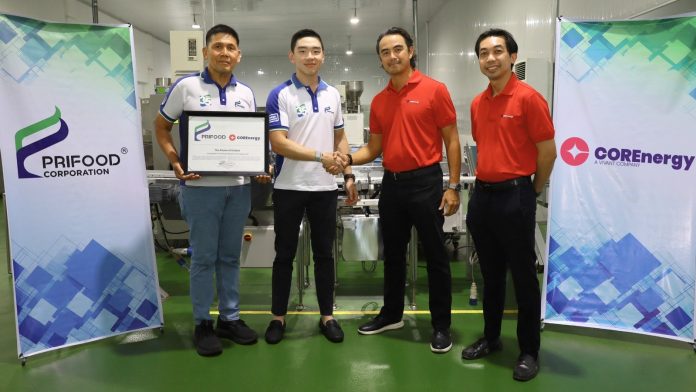
(L-R) Prifood Corporation Cebu Plant General Manager Roy Yap and Assistant General Manager Enrico Yap with COREnergy Retail and Sales Head Marko Sarmiento and Manager Rodson Lumayaga.

Cebu-based snack maker Prifood Corporation has partnered with COREnergy to supply power to its manufacturing facilities, marking a shift toward more flexible and cost-efficient energy sourcing under a government-backed programme.

The agreement covers Prifood’s plants in Tingub, Mandaue City, with a combined demand of up to 750 kilowatts. By aggregating its electricity requirements, the company gains stronger purchasing leverage and the ability to better manage energy consumption across its expanding operations, according to the statement.

The move positions Prifood among early adopters in the Visayas of the Retail Aggregation Program (RAP), an initiative led by the Department of Energy and the Energy Regulatory Commission that allows businesses to pool demand and negotiate more competitive power rates.

COREnergy, a unit of Vivant Energy, operates as a “gentailer,” combining power generation and retail supply to deliver end-to-end energy solutions tailored to clients’ needs. This model enables companies to align energy use with operational performance and long-term growth strategies.

“For us, innovation goes beyond the product. It extends to how we run our operations,” said Prifood Assistant General Manager Enrico Yap, noting the partnership supports more sustainable and efficient energy use.

The collaboration comes as regulators move to lower the threshold for contestable customers, widening access to programmes like RAP and allowing more mid-sized enterprises to benefit from competitive electricity sourcing.

The partnership highlights how Philippine manufacturers are increasingly leveraging energy market reforms to manage costs and improve efficiency, a trend that could support competitiveness amid rising operational expenses and broader industrial expansion in the regions.

Cebu Business News

SVGH launches Kalusugan Center to expand free healthcare access in Cebu

0
Inauguration. Mayor Nestor Archival, Rep. Cutie del Mar, chairman Atty. Augusto W. Go and City Administrator Albert Tan prepare to cut the ceremonial ribbon to signify the opening of the St. Vincent General Hospital (SVGH) Kalusugan Center. Behind the congresswoman is Center chief Dr. Fidel C. Cascabel II.

St. Vincent General Hospital (SVGH) has opened a Kalusugan Center in Cebu City that will provide PhilHealth members easier access to free consultations, some laboratory tests and medicines, in a move aimed at encouraging earlier medical care.

The facility, inaugurated on April 10 near the Cebu City Sports Center in Sambag I, allows patients to register, undergo an initial consultation, see a doctor and access laboratory services in one location, hospital administrator Nina Angela Darcera said.

The center will deliver services under PhilHealth’s YAKAP and GAMOT programs, which are designed to improve access to primary care and medicines, including maintenance drugs for patients with chronic illnesses.

SVGH said the center is linked to its sister hospital, University of Cebu Medical Center, allowing patients to be referred for free cancer screening, expanding access to diagnostic services that are often costly for low-income families.

Cebu City Mayor Nestor Archival, North District Representative Rachel Marguerite “Cutie” del Mar, hospital chairman Augusto Go, local councilors, barangay officials and PhilHealth regional representatives attended the opening ceremony.

Archival said the facility would bring healthcare services closer to residents by making consultations, medicines and laboratory services more accessible and affordable.

Go said the center was intended to reduce delays in seeking treatment, noting that many Filipinos only consult a doctor once symptoms have worsened because of financial concerns.

The opening forms part of SVGH’s broader push to expand community-based healthcare in Cebu through investments in facilities and equipment, the hospital said.

The Kalusugan Center is located along R.R. Landon Extension in Sambag I, near Osmeña Boulevard.

Cebu Business News

PrimaryHomes pitches flexibility, resilience in Oceancrest developments

0

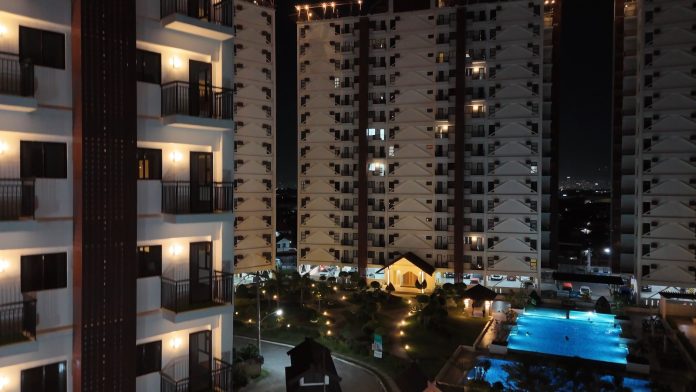
As market conditions shift and investors become more selective, the emphasis has steadily moved toward assets that can offer stability, predictable demand, and long-term value preservation.

In this environment, real estate, particularly in proven locations, has re-emerged as a cornerstone of portfolio strategy, not just for capital appreciation but for its ability to generate recurring income and serve end-use needs.

For Cebu-based developer PrimaryHomes, this positioning is reflected in its Royal Oceancrest Series, a portfolio of residential developments located in two of the Visayas’ most established island markets: Mactan in Cebu and Panglao Island in Bohol.

Rather than chasing speculative growth, the series is anchored on what the company describes as durable fundamentals: location strength, infrastructure support, and sustained multi-segment demand.

Mactan, long recognized as a strategic gateway to the central Philippines, continues to benefit from infrastructure that enhances both mobility and economic activity.

The Mactan–Cebu International Airport remains one of the country’s busiest aviation hubs, connecting Cebu to major domestic and international destinations.

Complementing this is the Cebu–Cordova Link Expressway, which has improved connectivity between Mactan and mainland Cebu, easing congestion and expanding the area’s residential catchment.

These developments have reinforced Mactan’s dual role as both a residential extension of Metro Cebu and a tourism-driven market. For property investors, this translates into diversified demand from end-users working in Cebu’s urban centers to short- and medium-term tenants linked to tourism and business travel.

Panglao Island, meanwhile, has steadily evolved from a niche tourist destination into a broader lifestyle and leisure market.

The Bohol–Panglao International Airport has been central to this transformation, enabling direct connectivity and supporting the steady influx of both domestic and international visitors.

Improved road networks and regional access have further strengthened Panglao’s position, sustaining demand not only for hospitality assets but also for residential developments catering to long-stay visitors, retirees, and investors seeking exposure to tourism-linked income streams.

Within this broader geographic framework, PrimaryHomes has focused on execution, an area that has become increasingly critical for buyers wary of project delays or delivery risks.

Royal Oceancrest Mactan, one of the flagship developments in the series, is already fully operational, with completed and energized towers that demonstrate both delivery capability and market absorption.

Its follow-up project, Royal Oceancrest Mactan 2, is progressing within a township environment, where ongoing take-up suggests continued buyer confidence.

In Bohol, Royal Oceancrest Panglao has similarly transitioned into an operational phase, establishing its presence in the local market.

Panglao 2, the next phase of development, has reached a key milestone with the completion of its first tower, now entering turnover and active utilization. These transitions, from pre-selling to completion and occupancy, are often seen as critical inflection points in real estate projects, where projected value begins to translate into realized returns and usable assets.

The consistency of delivery is closely tied to the developer’s structure. PrimaryHomes operates under the Primary Group of Builders, which integrates construction and development capabilities.

With over three decades of experience, the group has built a track record centered on execution discipline, cost control, and build quality. This integrated approach has allowed projects to move forward even during periods of disruption.

That resilience was tested during the COVID-19 pandemic, when many real estate developments across the Philippines faced delays or uncertainty.

The initial Royal Oceancrest projects in Mactan and Panglao were sold during this period, yet construction continued, underscoring a focus on honoring commitments and maintaining project timelines. For investors, such continuity has become a key differentiator, particularly in markets where delivery risk can materially affect returns.

Beyond delivery, the investment proposition of the Royal Oceancrest Series lies in its flexibility of use. Units are structured to accommodate a range of applications: primary residences for local buyers, long-term rental units catering to Cebu and Bohol’s growing populations, and hospitality-oriented accommodations that can tap into tourism demand.

This multi-use potential allows investors to adjust strategies depending on market conditions, balancing occupancy, rental yields, and personal use.

Such flexibility is increasingly relevant in island markets where demand drivers are diverse. In Mactan, urban spillover, infrastructure development, and tourism intersect to create multiple layers of demand.

In Panglao, the continued growth of the tourism sector, combined with its appeal as a lifestyle destination, supports both short-term stays and longer-term residential use. For overseas Filipino workers and diaspora investors, these locations also offer familiarity and accessibility, further broadening the buyer base.

While short-term market sentiment can be influenced by interest rates, global uncertainties, or shifts in consumer confidence, the underlying drivers of real estate in these locations remain intact.

Infrastructure continues to improve, tourism flows remain a structural component of the local economy, and urban expansion supports ongoing residential demand.

Against this backdrop, PrimaryHomes’ Royal Oceancrest Series is positioned as a play on stability rather than speculation. It reflects a more measured investment approach, one that prioritizes established locations, proven demand, and reliable execution over rapid but uncertain gains.

For investors navigating a more disciplined environment, that proposition may carry increasing weight.

Real estate, after all, has historically rewarded patience. In markets like Mactan and Panglao, where infrastructure, accessibility, and demand converge, well-positioned developments have the potential not only to preserve capital but to generate steady returns over time, reinforcing their role as a core component of long-term investment strategies.

Cebu Business News

Cebu PB returns Apo Land deal after raising legal, financial concerns

0

Cebu’s provincial board has sent back to the executive branch a proposed compromise agreement with Apo Land and Quarry Corp (ALQC), citing legal and financial concerns over a sharp reduction in the company’s liabilities to the province, according to a committee report first seen by DotTV Network.

The Committee on Ways and Means of the Sangguniang Panlalawigan of Cebu said the proposed settlement would cut ALQC’s liabilities to 211.56 million pesos ($3.7 million) from 1.218 billion pesos, an 82% reduction.

Board members raised questions over the removal of extraction tax, the recalculation of monitoring fees, and what the panel described as substantial discounts on penalties and surcharges.

The committee also flagged the manner in which the settlement was negotiated, saying discussions were conducted without prior authorization from the provincial board, a possible violation of the Local Government Code of 1991.

It added that pending court cases involving ALQC remain unresolved, exposing the province to further legal risk should the agreement proceed in its current form.

While compromise agreements are permitted under Philippine law, the committee said any arrangement involving public funds must be properly authorized, transparent and protective of the province’s interests.

The proposal has been returned to the executive branch for further review, including a full reassessment of the figures and terms in the draft settlement. The panel also recommended possible consultation with the Commission on Audit, the state body tasked with examining the use of government funds.

The report did not indicate when the compromise agreement was first negotiated or whether provincial officials would revise and resubmit the proposal.

ALQC has been involved in quarry operations in Cebu, a province that has long grappled with issues tied to resource extraction, environmental oversight and local government revenue collection.

The case adds to scrutiny over how local governments handle settlements involving private contractors, particularly where large sums of public money and unresolved legal claims are involved.

Cebu Business News
DUMPER Partylist backs transport workers with cash aid amid rising fuel costs

0
Photo: DUMPER Partylist

The DUMPER Party-list, led by Representative Claudine Bautista-Lim, distributed financial assistance to tricycle and habal-habal drivers in Davao Occidental and Davao Oriental earlier this week, as part of its ongoing support programme for transport workers.

Nearly 5,000 beneficiaries received ₱500 each, targeting drivers in the informal sector who remain vulnerable to rising fuel costs and broader economic pressures. The group said the initiative is aligned with its core advocacy of advancing the welfare of drivers nationwide, providing immediate relief while reinforcing longer-term efforts to improve livelihood opportunities in the transport sector.

Bautista-Lim said the distribution marks the initial phase of a broader rollout, with similar programmes expected to be implemented in other provinces as the party-list expands its outreach.

DUMPER Partylist
Photo: DUMPER Partylist

DUMPER Party-list has positioned itself as a representative of transport workers, backing policies and initiatives focused on fuel subsidies, social protection, and sustainable income support.

The DUMPER Partylist is a Philippine political group representing drivers and transport workers, particularly those in the informal sector such as jeepney, tricycle, and habal-habal operators.

It advocates for policies aimed at improving the welfare and livelihood of drivers, including fuel subsidies, social protection, and income support measures.

The party-list has also been active in providing direct assistance through cash aid and community outreach programmes, especially during periods of economic strain.

Cebu Business News

Cebu chamber brings plastic waste, flood initiative to CIT-U

0
CCCI

The Cebu Chamber of Commerce and Industry (CCCI) has expanded its Flood Hero initiative to Cebu Institute of Technology-University, stepping up efforts to improve plastic waste management and strengthen flood resilience in Cebu.

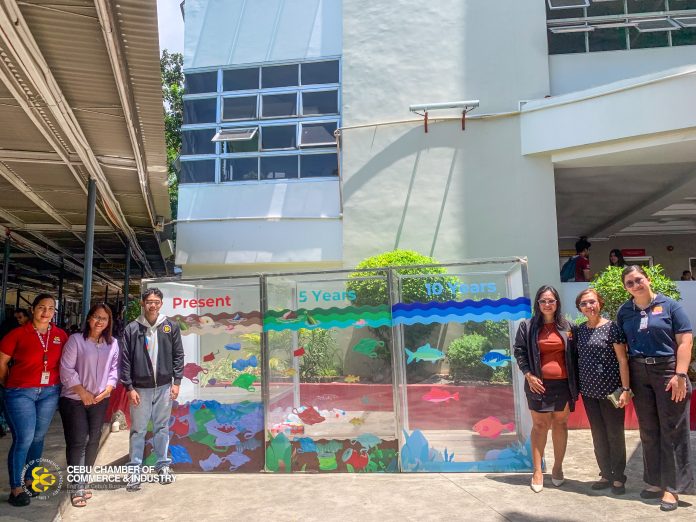
The chamber said it had installed a PET bottle receptacle bin at CIT-U under its Flood Hero Cebu Movement, part of a broader campaign to promote waste segregation and responsible plastic disposal in partnership with schools and universities.

The receptacle is meant to encourage students, faculty and staff to segregate and recycle PET bottles, a common form of plastic waste that often ends up blocking drainage systems and worsening urban flooding.

CCCI said the school-based program builds on earlier installations at the University of the Visayas, Cebu Technological Sciences-Cebu, and the University of San Jose-Recoletos, where nearly 100 kilograms of PET bottles have already been collected.

The business group said the initiative would continue to rotate among schools across Cebu as part of a wider push to foster shared responsibility among young people and local communities.

Recovered PET bottles are repurposed into environmental interceptors in partnership with the Cebu City Environment and Natural Resources Office, CCCI said.

These interceptors are installed in rivers and waterways to trap floating plastic waste before it reaches the sea, while also helping keep waterways clear to reduce flood risks.

The initiative is part of a broader goal of positioning Cebu as the first city with zero contribution to ocean plastic, the chamber said.

CCCI said involving academic institutions was key to building long-term environmental awareness and practical action, adding that schools could play a central role in shaping more environmentally responsible citizens.

The program brings together the private sector, government, schools and communities in an effort to turn everyday waste into flood mitigation and anti-pollution measures, as Cebu grapples with recurring flooding and marine plastic pollution.

Cebu Business News